Heating Services Checklist for Keeping Your Home Warm and Efficient
@hvachelp270
A warm house in winter is easy to take for granted right up until the day it is not. Most heating problems do not start with a dramatic breakdown. They start quietly. A furnace runs a little longer than usual. One room never quite catches up. The utility bill creeps higher even though the weather feels normal for the season. Then one cold morning, the system quits and you are suddenly calling for emergency help.
That is why a practical heating services checklist matters. Not the kind stuffed with vague advice, but the kind built around what actually goes wrong in real homes. If you stay ahead of the common issues, you get better comfort, lower energy waste, fewer surprise repairs, and a much better shot at avoiding a middle-of-the-night service call.
Over the years, the homes that stay consistently comfortable tend to have one thing in common. Their owners pay attention before there is a crisis. They schedule Furnace Services before the first deep freeze. They replace worn filters on time. They do not ignore odd noises, burning smells, or short cycling. And when the equipment is old, they weigh Furnace repair against Furnace Replacement with clear eyes instead of throwing money at a machine that is already on borrowed time.
Start with the basics before winter really hits
The best time to think about your heating system is when it is still working fine. Early fall is ideal, but if you missed that window, doing a full check now is still worthwhile. Heating equipment does not like neglect, and small maintenance steps can make a noticeable difference in how hard the system has to work.
Your thermostat is the first place to look. It sounds almost too simple, but a surprising number of comfort complaints come down to thermostat settings, dead batteries, poor placement, or a calibration issue. If the thermostat sits near a drafty entryway, a sunny window, or a heat-producing appliance, it can give misleading readings. A furnace may run too often or not enough because the control point is lying about the room temperature.
Airflow comes next. A furnace can only heat the air it can move. If the filter is clogged, the blower has to strain, heat exchange becomes less efficient, and the whole system loses performance. In severe cases, restricted airflow can contribute to overheating and shutdowns. I have seen perfectly good furnaces blamed for “not heating well” when the real problem was a filter so packed with dust it looked like felt.
Vents and registers matter too. People close them in unused rooms thinking they are saving money, but many forced-air systems are balanced for open airflow. Shutting too many vents can create pressure problems and uneven temperatures. If one room is always cold, it is better to investigate duct leaks, insulation gaps, or balancing issues than to start closing off half the house.
The checklist that catches most problems early
If you only want one quick routine each season, use this one. It covers the items that most often affect comfort, efficiency, and system life.
- Replace or inspect the air filter, usually every one to three months depending on filter type, pets, dust, and system use.
- Test the thermostat in heating mode and make sure the displayed temperature matches how the room actually feels.
- Check all supply and return vents for blockages from rugs, furniture, curtains, or dust buildup.
- Listen during a full heating cycle for rattling, booming, squealing, or repeated start and stop behavior.
- Schedule professional Heating Services if the system is overdue for maintenance, acting differently, or older than about 10 to 15 years.
That list looks basic because it is basic. The point is not complexity. The point is consistency. Systems that get these small checks on a routine basis usually hold up better and cost less to run.
What a professional heating tune-up should actually cover
A good maintenance visit is more than a tech glancing at the unit and swapping a filter. Real Heating Services should involve inspection, testing, cleaning where needed, and a little judgment based on how the system is aging.
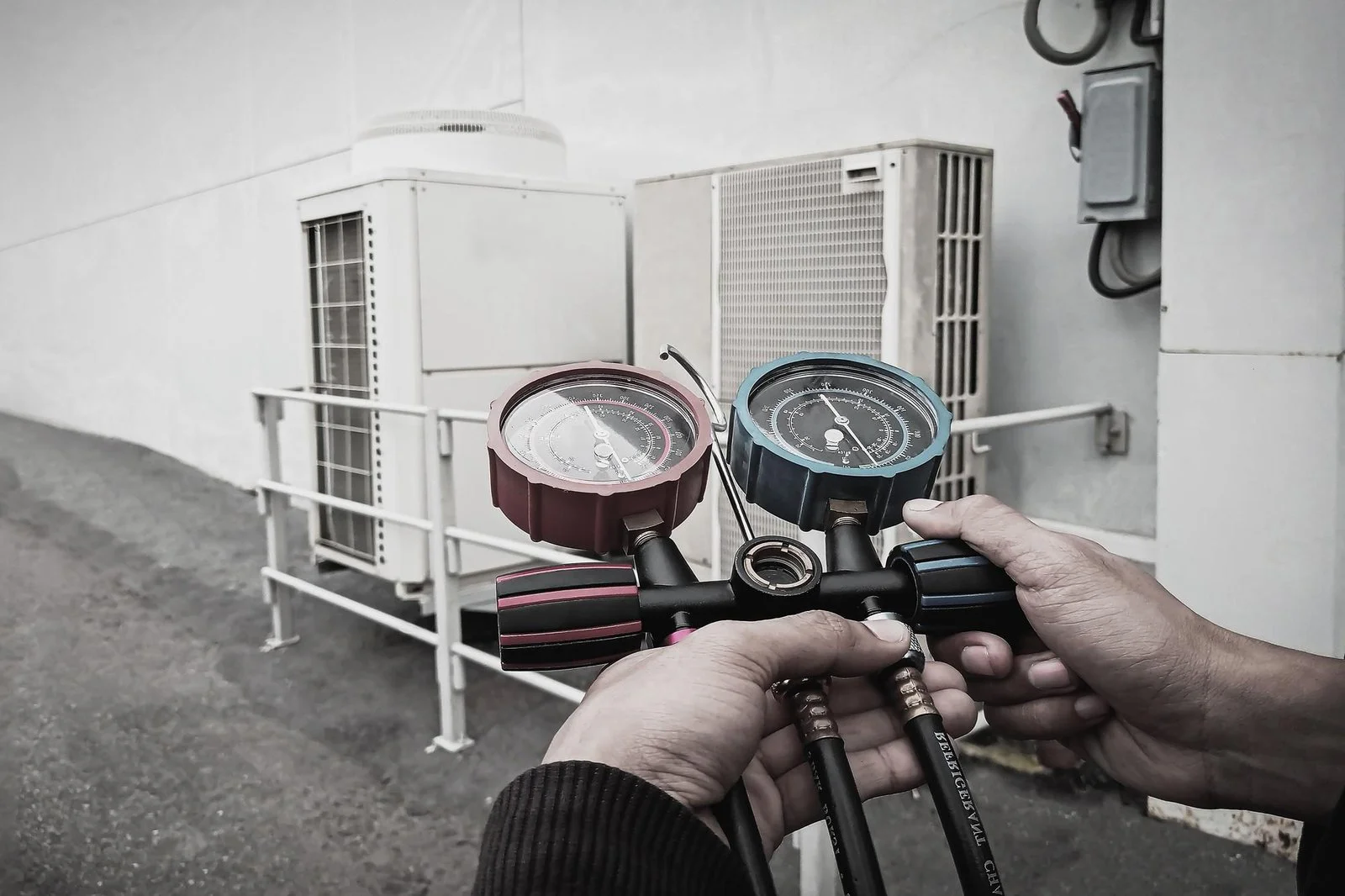
For a gas furnace, the technician should look at the burners, flame sensor, igniter, blower components, safety controls, venting, and heat exchanger condition. Electrical connections should be checked. Gas pressure and temperature rise may need testing depending on the system and symptoms. Condensate lines on high-efficiency units should be inspected and cleared if needed. The filter, blower wheel, and accessible compartments should be evaluated for dirt that affects airflow.
For heat pumps or other systems tied into your heating setup, maintenance will involve a different set of checks, but the same idea applies. Clean operation, safe controls, proper airflow, and healthy electrical components all matter.
A proper tune-up is often where pending failures first show up. A weak inducer motor may still be running but drawing more amperage than it should. A flame sensor may be coated enough to work intermittently. A capacitor may be drifting out of range. Catching those things early usually means a planned repair instead of an emergency call during the coldest week of the year.
Signs you should not ignore
Heating systems usually give warnings. The trick is knowing which ones deserve fast attention and which ones simply mean it is time for routine service.
Here are the symptoms that should move you up from “I’ll keep an eye on it” to “I need Furnace repair soon.”
- The furnace starts and stops frequently without fully heating the house.
- Some rooms are much colder than others even when vents are open and the filter is clean.
- Energy bills jump sharply with no clear change in weather or thermostat settings.
- You hear grinding, banging, squealing, or delayed ignition sounds when the system starts.
- The unit blows cool air, struggles to ignite, or needs frequent thermostat adjustments to maintain comfort.
That last one is often dismissed as a thermostat issue, but it can point to anything from ignition trouble to airflow restriction to a failing blower. The details matter. For example, a loud whoosh after a delay in ignition can indicate burner issues that should be addressed quickly. A high-pitched squeal may be a belt on an older system, or a motor bearing problem on a newer one. Not every noise is an emergency, but strange noises are rarely a sign of a system that is improving on its own.
Furnace repair versus Furnace Replacement
This is where a lot of homeowners get stuck. Nobody wants to replace equipment early, but nobody wants to keep sinking money into a furnace that is near the end either. There is no perfect universal rule, but there are a few solid ways to think about it.
Age matters. Many furnaces can last around 15 to 20 years, sometimes longer with excellent maintenance and a little luck. But the older a unit gets, the more the math changes. Even if a repair is technically possible, it may not be the smart use of money if efficiency is poor and parts failures are starting to stack up.
Repair cost matters too. If a major repair approaches a significant chunk of the cost of new equipment, especially on an older unit, Furnace Replacement starts making more sense. That does not mean every repair on an older furnace is bad. Replacing a minor component on a 12-year-old system that has otherwise been reliable can be perfectly reasonable. Replacing major parts repeatedly on an 18-year-old unit usually is not.
Comfort and efficiency matter more than people realize. Sometimes homeowners focus only on whether the furnace can still produce heat. But if the house has hot and cold spots, long runtimes, noisy operation, and rising bills, the system may be costing more than it appears. A newer unit installed properly can improve not just energy use, but day-to-day comfort.
Safety is the hard line. If a furnace has serious heat exchanger concerns, venting issues, or other conditions that compromise safe operation, replacement can move from financial decision to necessary decision very quickly.
Why installation quality matters as much as equipment quality
People spend a lot of time comparing brands and efficiency ratings, which is understandable. But the truth is that Heating Installation quality often matters just as much as the badge on the cabinet. A great furnace installed poorly can deliver mediocre results for years. A solid mid-range unit installed correctly often performs better than a premium model put into a bad duct system with careless setup.
Proper sizing is the first big issue. Bigger is not automatically better. An oversized furnace can heat the space too quickly, then shut off before it has run long enough to distribute warmth evenly. That short cycling creates temperature swings, extra wear, and lower efficiency. An undersized system has the opposite problem. It may run constantly and still struggle in very cold weather.
Ductwork is the next hidden factor. A new furnace attached to leaky, undersized, or poorly balanced ducts cannot perform its best. That is one reason some homeowners replace equipment and still complain that the back bedroom is freezing. The furnace was never the entire problem.
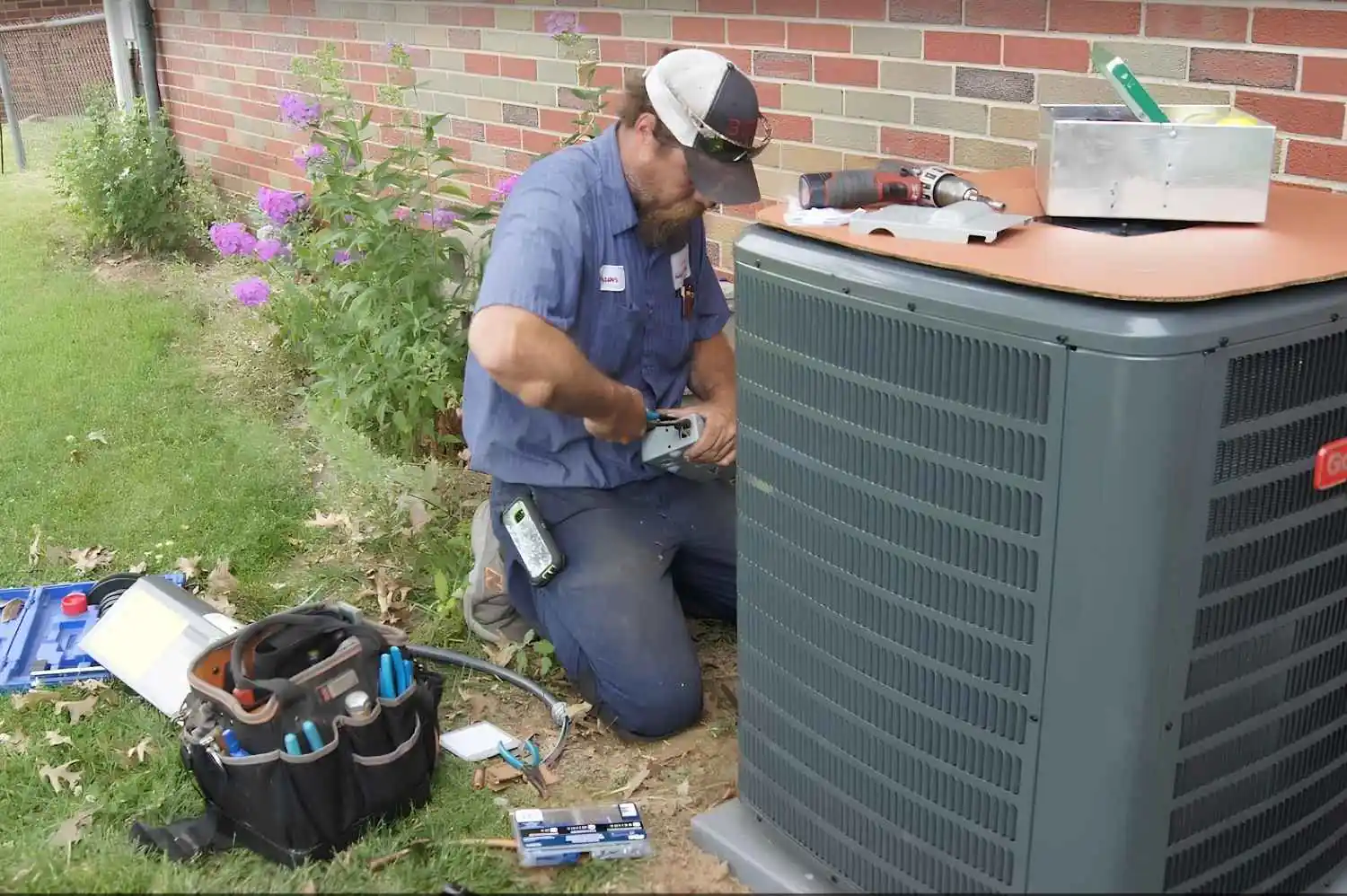
Commissioning matters too. After Furnace Installation, settings need to be verified. Airflow should be checked. Combustion setup, temperature rise, thermostat operation, and venting all need attention. Skipping these steps is one of the easiest ways to end up with a system that is technically new but not truly optimized.
When Furnace Installation is the right move
Sometimes the answer is obvious because the old unit failed completely. More often, the better time to replace a furnace is before it reaches that point. Planning ahead gives you choices. Waiting for an emergency usually means making a rushed decision while the house gets colder by the hour.
If your system is aging, requiring regular repairs, and struggling to keep up, a scheduled Furnace Installation before peak winter demand can be a lot less stressful. Installers usually have more flexible schedules outside emergency rush periods, and you have time to compare options. You can ask about equipment sizing, airflow improvements, filtration, humidification, and thermostat upgrades instead of simply saying yes to the fastest available replacement.
I have seen homeowners stretch an old furnace one more season only to lose it during a holiday cold snap. The replacement still had to happen, but now it came with emergency labor, fewer available appointments, and a miserable couple of days relying on space heaters. Planned replacement rarely feels exciting, but it usually feels smarter after the fact.
A few home habits that make a real difference
Maintenance from a professional goes a long way, but the way you operate the system day to day matters too. A furnace that runs in a dusty house with clogged returns, neglected filters, and a thermostat being adjusted every hour is going to have a harder life.
One thing that helps is keeping a steady, reasonable temperature instead of making huge swings. Setbacks can save energy in some situations, especially with programmable thermostats, but extreme adjustments are not always useful. If you lower the temperature aggressively overnight, the system may have to run hard for a long stretch in the morning just to recover. That can make the house feel less comfortable even if the math looks good on paper.
Humidity also plays a role in comfort. Dry winter air makes people feel colder, which often leads to higher thermostat settings. In some homes, adding or maintaining proper indoor humidity can improve comfort enough that the air temperature does not need to be as high. You do not want too much humidity, especially in very cold climates where window condensation Furnace repair becomes a problem, but a balanced level can make a noticeable difference.
Sealing drafts helps the heating system more than many people expect. If warm air is escaping through attic bypasses, leaky windows, or poorly sealed doors, the furnace is constantly trying to catch up. Heating Services can keep the equipment healthy, but the house itself still needs to hold onto the heat it produces.
What to ask when hiring for Furnace Services
The quality of service varies a lot. A good company is not just there to get the furnace running today. They should be able to explain what they found, how urgent it is, and whether the issue points to a larger pattern.
Ask what is included in a maintenance visit. Ask whether they inspect safety controls and venting, not just clean the obvious parts. Ask whether they measure anything, such as temperature rise or electrical readings, when needed. If they recommend a repair, ask what failed, whether the repair is expected to solve the underlying issue, and how the rest of the system looks given its age.
If replacement is on the table, ask how they determine sizing. “Same size as the old one” is not always the right answer. Ask whether duct condition was considered. Ask what startup and verification steps are included after Heating Installation. Those questions tell you a lot about whether you are getting a real professional or just a fast salesperson.
The cost side, without pretending there is one magic number
People understandably want exact pricing, but heating work is too dependent on home size, system type, region, access, and code requirements for a single number to mean much. What you can count on is this: preventive care is usually cheaper than reactive care, and planned upgrades are usually cheaper than emergency replacements once you factor in urgency and inconvenience.
Routine Furnace Services often cost far less than a weekend emergency call. A filter changed on time is cheaper than a blower repair caused by chronic airflow restriction. Fixing a venting issue during maintenance is easier than dealing with a system shutdown during freezing weather. The pattern is not glamorous, but it is reliable. Small, timely costs tend to protect you from larger, painful ones.
The homes that stay comfortable tend to do these things
There is no secret formula here. Warm, efficient homes usually have ordinary owners who stay on top of ordinary tasks. They do not wait for obvious failure. They book Heating Services before the coldest stretch. They treat Furnace repair as a tool, not a forever strategy. When the numbers stop making sense, they move to Furnace Replacement with a plan instead of panic. And when they invest in Furnace Installation or broader Heating Installation, they pay attention to setup quality, not just the equipment sticker.
If you want the practical version, it is simple. Keep the air moving, keep the system clean, pay attention to changes, and bring in a qualified pro before small issues become big ones. A heating system does not need constant attention, but it does need some attention. Give it that, and your house has a much better chance of staying warm, efficient, and uneventful all winter long.